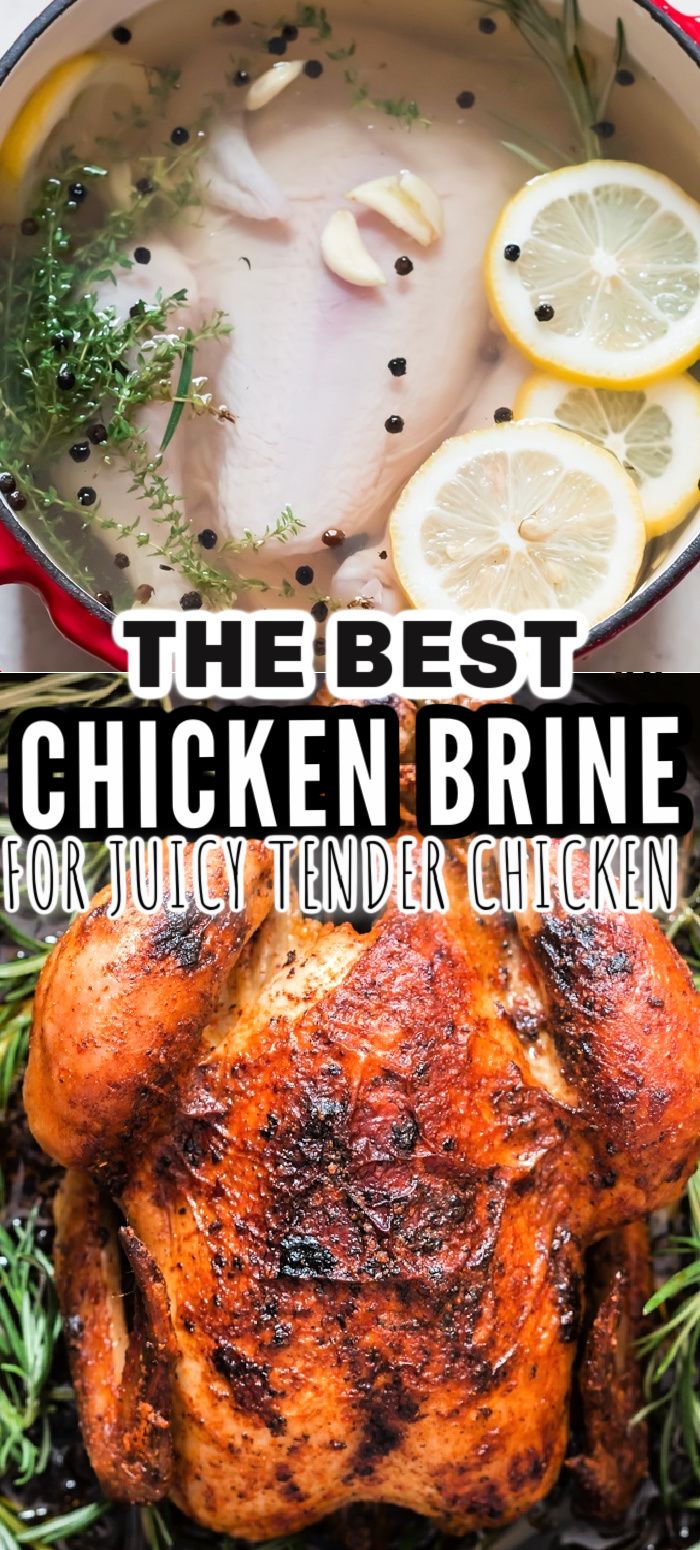
Unlock the Secrets to Perfectly Juicy, Crispy Roasted Chicken
There are few dishes as universally comforting, impressive, and satisfying as a perfectly prepared roasted chicken. Imagine: succulent, tender meat that practically falls off the bone, encased in a gloriously golden, audibly crispy skin. It’s the kind of meal that evokes cherished memories of home cooking, much like a grandmother's secret recipe, and yet, surprisingly, it's incredibly simple to achieve. Whether you're a seasoned home chef or taking your first foray into whole poultry, mastering the art of roasted chicken is well within your reach, promising a show-stopping centerpiece that never fails to delight.The Quest for Perfect Roasted Chicken: Juicy Inside, Crispy Outside
The ultimate goal for any roasted chicken enthusiast is that magical dichotomy: incredibly juicy meat contrasted with undeniably crispy skin. This isn't just about taste; it's about texture and an experience that elevates a simple meal into something truly special. Many believe this perfection is elusive, reserved for restaurant kitchens or culinary experts. However, with a few fundamental techniques and a deep understanding of your ingredients, you can consistently deliver a masterpiece right from your own oven. The key lies in understanding how heat, moisture, and seasoning interact, transforming a raw bird into a culinary triumph.Essential Ingredients for Your Best Roasted Chicken
While the concept of roasted chicken is simple, the quality and preparation of a few core ingredients make all the difference. You don't need a pantry full of exotic spices; often, the best results come from a minimalist approach.- The Chicken: Start with a high-quality whole chicken, typically around 3 pounds for most home recipes. Adjusting cooking times for larger or smaller birds is crucial. Look for a fresh, plump bird with intact skin.
- Simple Seasonings: The foundation often begins with coarse salt, freshly ground black pepper, and onion powder. These basics create a savory base that enhances the chicken's natural flavor without overpowering it. Don't be shy with seasoning – both inside and out are essential for deep flavor.
- Butter: A unsung hero for both flavor and texture. Butter not only helps the seasonings adhere to the skin but also contributes to that coveted golden-brown hue and locks in moisture. Applying it generously, especially under the skin, can infuse the meat with richness.
- Aromatics for the Cavity: While often overlooked, stuffing the chicken cavity with simple aromatics adds subtle, complementary flavors and moisture. Celery is a classic choice, releasing vegetal notes and steam as it cooks. You can also experiment with half an onion, lemon wedges, garlic cloves, or sprigs of fresh herbs like rosemary or thyme.
- Olive Oil (Optional but Recommended): Drawing inspiration from dishes like the Chilean "trutro" (roasted chicken leg quarter), a drizzle of olive oil can also contribute to crispy skin and help seasonings adhere, especially if you're not using butter extensively on the exterior.
Mastering the Art of Roasting: Step-by-Step to Perfection
Achieving that ideal juicy-crispy balance isn't a matter of luck but rather a sequence of deliberate steps. Here’s how to roast a chicken that will earn rave reviews.Preparation is Key
- Pat Dry, Pat Dry, Pat Dry: This is perhaps the most critical step for crispy skin. Moisture is the enemy of crispiness. Use paper towels to thoroughly pat the chicken's skin completely dry, both inside and out. Don't rush this!
- Season Generously: Liberally season the entire chicken, inside the cavity and all over the exterior, with salt, pepper, and onion powder. For an extra boost of flavor and moisture, gently lift the skin over the breast and thighs and rub some butter directly onto the meat, then sprinkle with seasonings underneath the skin as well.
- Aromatics in the Cavity: Place your chosen aromatics (celery, lemon, garlic, herbs) inside the chicken cavity. This adds internal steaming and flavor infusion.
- Truss (Optional but Recommended): Tucking the wing tips under the bird helps prevent them from burning during the long roasting process. You can also loosely tie the legs together with kitchen twine, promoting even cooking and a neater presentation.
- Prepare Your Pan: A simple baking sheet with a wire rack on top is often preferred over a traditional roasting pan. This setup allows for better air circulation around the entire bird, contributing to crispier skin.
Temperature and Timing: The Heat Equation
There are two main schools of thought when it comes to oven temperature for roasted chicken, each yielding slightly different results:
- Lower Heat, Longer Roast (350°F / 175°C): For a 3-pound chicken, roasting at 350°F will typically take a little over an hour. This gentler heat allows the chicken to cook more slowly and evenly, often resulting in slightly juicier meat, though the skin might require a quick blast of higher heat at the end for ultimate crispness.
- Higher Heat, Shorter Roast (425°F / 220°C): Many culinary experts, like Nicole McLaughlin, advocate for a higher temperature. Roasting at 425°F for 50-60 minutes can achieve wonderfully crispy skin more quickly. This method cooks the chicken faster, making it perfect when you're short on time but still crave that perfect texture.
Regardless of the temperature, the ultimate indicator of doneness is an internal temperature of 165°F (74°C) measured with an instant-read thermometer inserted into the thickest part of the thigh, away from the bone. The juices should also run clear, and the meat should no longer be pink at the bone.
The Crucial Resting Period
Once your chicken is beautifully golden and cooked through, resist the urge to carve it immediately. Transfer the chicken to a cutting board and tent it loosely with foil. Let it rest for at least 10-15 minutes (or even up to 20). This resting period allows the juices to redistribute throughout the meat, ensuring every bite is as moist and flavorful as possible. Skipping this step is a common mistake that can lead to dry chicken, even if perfectly cooked.
Expert Tips and Tricks for Next-Level Roasted Chicken
Beyond the fundamental steps, a few insights can truly elevate your roasted chicken game:
- The Dry Skin Mantra: We can't stress this enough – a dry surface is paramount for crispy skin. If time allows, you can even leave the chicken uncovered in the refrigerator for a few hours or overnight after patting it dry.
- Season Under the Skin: Don't just season the surface. Getting salt, pepper, and perhaps a smear of butter directly onto the meat under the skin ensures flavor penetrates deeper and contributes to overall juiciness.
- Use a Rack: A wire rack set inside a baking sheet ensures hot air circulates all around the chicken, preventing a soggy bottom and promoting even crisping.
- Prevent Burning: Tucking the wing tips underneath the bird is a simple yet effective way to prevent them from becoming charred during the longer roasting process.
- Brining for Ultimate Juiciness: For an extra layer of moisture and flavor, consider a simple brine (salt, sugar, water, herbs) for a few hours before roasting. Or, try a dry brine by rubbing the chicken with salt and letting it sit uncovered in the fridge overnight. This method draws moisture out, then reabsorbs it, concentrating flavor and tenderness.
- Carving Smart: Once rested, carve your chicken against the grain to ensure maximum tenderness in each slice.
Beyond the Basics: Flavor Variations and Serving Suggestions
While a simply seasoned roasted chicken is a classic for a reason, don't hesitate to explore global flavors and make it your own. For those who appreciate a straightforward yet deeply flavorful approach, our guide on Easy Roasted Chicken: Impress Any Guest with Simple Steps offers more simple variations to impress any guest. Expand your spice cabinet with additions like smoked paprika, garlic powder, dried oregano, or a touch of cayenne pepper for a subtle kick. Inspired by the Chilean "trutro," a rub of lemon zest, olive oil, minced garlic, oregano, and paprika offers a vibrant, aromatic profile that pairs wonderfully with the dark meat of leg quarters, but can be applied to a whole chicken too. To delve deeper into these diverse global approaches, check out Chilean Trutro & Classic: Exploring Diverse Roasted Chicken Flavors.
Roasted chicken pairs beautifully with an array of side dishes. Classic options include roasted root vegetables (carrots, potatoes, parsnips), mashed potatoes, green beans, or a fresh salad. The pan drippings, rich with chicken flavor, can be easily transformed into a simple gravy, adding another layer of deliciousness to your meal.
Conclusion
The journey to creating a perfectly juicy, crispy roasted chicken is an incredibly rewarding one. It’s a dish that looks sophisticated but is built upon straightforward techniques and quality ingredients. By focusing on proper drying, generous seasoning, appropriate cooking temperatures, and the crucial resting period, you too can achieve that coveted balance of tender meat and golden, crunchy skin. So, grab your chicken, preheat your oven, and prepare to unlock the secrets to a truly unforgettable meal that will impress everyone at your table.
