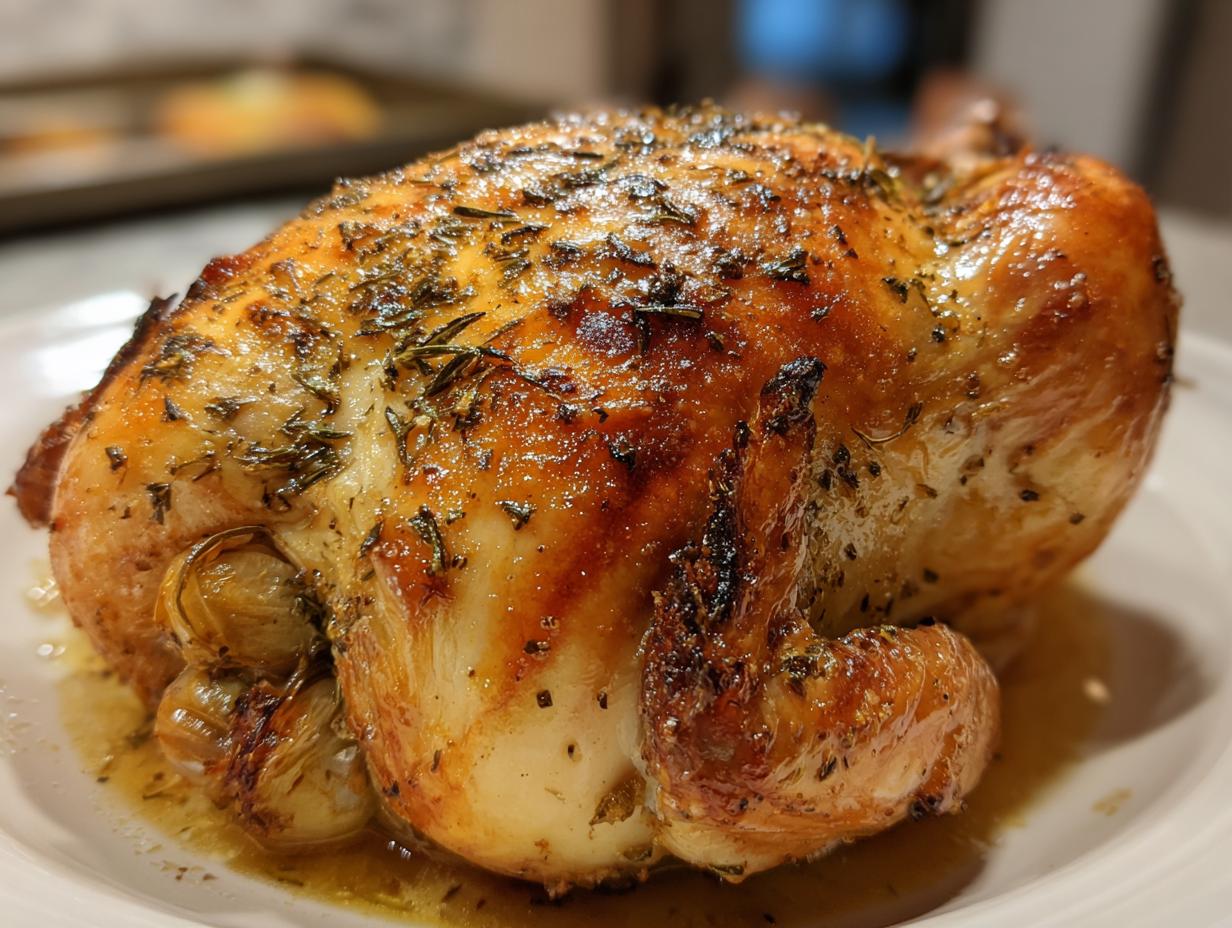
Easy Roasted Chicken: Impress Any Guest with Simple Steps
Imagine the aroma wafting through your home – savory, comforting, and utterly irresistible. Picture a golden-brown bird, its skin perfectly crisp, concealing a tender, juicy interior. This isn't a fantasy reserved for professional chefs or holiday feasts; it's the reality of a perfectly roasted chicken, and it's surprisingly easy to achieve. Whether you're a novice in the kitchen or a seasoned home cook, mastering the art of a delicious roasted chicken is a culinary superpower that promises to impress any guest with minimal fuss.
Forget the intimidation factor. Roasting a whole chicken at home is not just simpler than it seems, it often requires fewer ingredients and less active time than many other "easy" dishes. This guide will walk you through the essential steps, insider tips, and flavorful variations to ensure your next roasted chicken is nothing short of spectacular.
The Secret to a Perfectly Juicy, Flavorful Roasted Chicken
The foundation of an unforgettable roasted chicken lies in a few key ingredients and a straightforward method. It's about letting quality ingredients shine and applying simple techniques that lock in moisture and build incredible flavor. You don't need fancy equipment or a long list of exotic spices; often, the best results come from a minimalist approach.
Essential Ingredients for Your Masterpiece
While endless variations exist, the core components for a classic, mouth-watering roasted chicken are remarkably simple:
- The Chicken: Start with a whole chicken, typically around 3 pounds for an hour-long roast. Adjusting the size means adjusting your cooking time. Always ensure your chicken is fresh and of good quality. Patting it thoroughly dry with paper towels is the first crucial step towards that coveted crispy skin.
- Seasonings: Less is often more. A robust blend of coarse salt, freshly ground black pepper, and a touch of onion powder forms a powerful base. These penetrate the meat, enhancing its natural savory notes. Don't be shy – proper seasoning is key to a flavorful bird.
- Butter: This is your secret weapon for moisture and flavor. Room temperature butter not only helps seasonings adhere but also renders down during roasting, basting the chicken and contributing to a rich, golden-brown skin and succulent flesh. You can also get some under the skin for an extra layer of flavor and protection against drying out.
- Celery: Stuffing the cavity with celery stalks might seem unconventional, but it's a brilliant move. As the chicken roasts, the celery releases moisture and subtle vegetal aromatics, infusing the meat with delicate flavor from the inside out. Plus, the cooked celery makes for a delightful, tender snack!
- Optional Aromatics: To elevate your roasted chicken, consider adding other aromatics to the cavity or pan, such as lemon halves, garlic cloves, sprigs of fresh rosemary, thyme, or oregano. These will perfume the chicken and its surroundings beautifully.
Step-by-Step Simplicity: How to Roast Chicken
Preparing your chicken for roasting is a breeze. Follow these steps for an effortless journey to a delicious meal:
- Prep Your Bird: Remove the chicken from its packaging and pat it thoroughly dry, inside and out, with paper towels. This step is non-negotiable for crispy skin. Remove any giblets from the cavity.
- Season Liberally: Sprinkle salt, pepper, and onion powder all over the exterior of the chicken, ensuring even coverage. Don't forget to season the cavity as well! For extra flavor, gently lift the skin over the breast and thighs and rub some of the butter and seasonings directly onto the meat underneath.
- Butter Up: Rub the softened butter generously over the entire surface of the chicken. This creates a barrier for moisture and helps achieve that beautiful golden crust.
- Stuff the Cavity: Place the celery stalks (and any optional aromatics like lemon or herbs) inside the chicken's cavity.
- Prepare the Pan: If you don't have a dedicated roasting pan, a simple baking sheet with a wire rack works perfectly. The rack allows air to circulate around the chicken, promoting even cooking and crispier skin. Add a little butter or oil to the bottom of the pan to prevent sticking and aid in browning.
- Tuck and Roast: To prevent the delicate wing tips from burning, tuck them underneath the chicken's body. Place the prepped chicken breast-side up on your roasting rack or baking sheet.
Mastering the Roast: Temperature, Time, and Those Golden Tips
The oven does most of the work, but understanding the optimal temperature and knowing how to check for doneness are key to a perfectly cooked bird. There's a sweet spot between too low (soggy skin) and too high (burnt exterior, raw interior).
The Perfect Roast: Timing and Doneness
A common starting point for a 3-pound whole chicken is an oven preheated to 350°F (175°C), where it will cook for approximately an hour to an hour and 15 minutes. However, many experts, including culinary producer Nicole McLaughlin (a.k.a. NicoleMcMom), advocate for a higher temperature for superior crispness.
- Higher Heat for Crispier Skin: For a faster roast and notably crispier skin, preheat your oven to 425°F (220°C). A 3-pound chicken will typically cook in 50-60 minutes at this temperature. This method delivers a fantastic contrast between the shatteringly crisp exterior and the incredibly moist interior.
- Checking for Doneness: This is the most critical step. Visual cues are helpful but not foolproof. The meat should no longer be pink at the bone, and the juices should run clear when pierced. The most accurate method is using an instant-read thermometer. Insert it into the thickest part of the thigh, near the bone, without touching the bone. The chicken is perfectly cooked when it reaches an internal temperature of 165°F (74°C).
- Resting is Essential: Once your roasted chicken reaches temperature, remove it from the oven and let it rest, loosely tented with foil, for 10-15 minutes before carving. This crucial step allows the juices to redistribute throughout the meat, resulting in a much juicier and more tender final product. Skipping this step will cause all those precious juices to run out onto your cutting board.
Insider Tips for Crispy Skin and Flavor
Achieving that coveted crispy skin and deeply flavorful meat is easier than you think with a few expert tricks:
- Dry Skin is Crispy Skin: This cannot be stressed enough. Patting the chicken dry thoroughly removes surface moisture, allowing the skin to crisp up and brown beautifully through the Maillard reaction. Some even let it air-dry in the fridge overnight for maximum crispness.
- Season Inside and Out: Don't just season the surface. Getting salt and pepper into the cavity and even under the skin ensures every bite is flavorful. The butter under the skin also contributes to this.
- Don't Fear the Baking Sheet: If you don't have a fancy roasting pan, a simple baking sheet with a wire rack is an excellent alternative. It promotes air circulation, which is key to even cooking and crispy skin.
- Tuck Those Wings: Preventing the delicate wing tips from burning is easy. Simply tuck them under the chicken's body before roasting. This also helps the chicken hold a more compact shape for even cooking.
- Consider Trussing: While not strictly necessary for an easy roast, trussing (tying the legs together and tucking the wings) helps the chicken cook more evenly and creates a more aesthetically pleasing presentation.
- Make Pan Drippings Work: Don't discard the flavorful drippings in the pan! These are liquid gold, perfect for making a quick gravy or simply drizzling over the carved chicken.
Beyond the Basics: Elevating Your Roasted Chicken Experience
Once you've mastered the basic roasted chicken, the possibilities for customization are endless. From different spice blends to creative accompaniments, you can make this staple dish uniquely yours.
Flavorful Twists and Accompaniments
Think about the flavors you love. A simple switch of seasonings or the addition of fresh herbs can transport your chicken to a new culinary landscape. For instance, you could be inspired by the Chilean trutro, a roasted leg quarter often seasoned with garlic, oregano, paprika, and lemon zest, which offers a vibrant and aromatic profile.
- Mediterranean Marvel: Rub with olive oil, minced garlic, oregano, thyme, and lemon zest.
- Herbaceous Delight: Use fresh rosemary, thyme, and sage, perhaps with some crushed garlic and a splash of white wine in the pan.
- Spicy Kick: Incorporate paprika, cayenne pepper, cumin, and a hint of brown sugar for a sweet and smoky heat.
- Root Vegetables: Surround your chicken with chopped carrots, potatoes, onions, and parsnips. They'll roast in the chicken's delicious drippings, becoming tender and infused with flavor.
- Classic Sides: Mashed potatoes, green beans, or a fresh salad are perfect complements to a hearty roasted chicken.
Handling Leftovers and Storage
Should you be lucky enough to have any leftover roasted chicken, allow it to cool completely before carving and storing. Store the carved meat in an airtight container in the refrigerator for up to 3-4 days. Leftovers are fantastic for sandwiches, salads, stir-fries, or even chicken broth.
There you have it – the comprehensive guide to an easy, impressive roasted chicken. With these simple steps and expert tips, you're not just cooking a meal; you're creating an experience. So go ahead, preheat your oven, grab your bird, and get ready to impress your guests (and yourself!) with the incredible flavors of a perfectly roasted chicken.
